Adaptogen Overview
Adaptogens in the Active Man's Morning Regimen
Tobias Whitfield
·

Transparency in ingredient sourcing has become a differentiating claim across the regional supplement market. But what does verifiable transparency actually require in practice? This editorial traces the documentation chain that distinguishes a rigorously sourced plant-based formulation from one that merely asserts the same standard — drawing on supplier audits, batch records, and independent verification frameworks reviewed by Rolan Review between 2025 and early 2026.
Ingredient transparency is not a single document but a chain of records that connects the harvested plant material to the finished formulation. At the origin end of the chain, this means a certificate of botanical identity confirming the species, country of origin, and part of plant used. At the processing end, it means a certificate of composition confirming the active compound concentrations in the specific batch being sold. The distance between these two documents — and whether both exist — is the primary indicator of a sourcing programme's rigour.
In our review of 22 suppliers operating in or supplying to the Indonesian market, documentation availability varied considerably. Seventeen provided some form of certificate of composition on request. Of those, nine provided batch-specific documentation (keyed to a specific production run) rather than generic specifications. Only five could provide the full chain from botanical identity through to finished-product composition with consistent batch references. These five represent the documentary standard that we consider the current best practice in the regional market.
This finding is consistent with the broader pattern observed in independent nutrition research: the gap between claimed and verifiable sourcing standards is significant across most market segments, not only in Indonesia. The regional market is not unusually opaque — it simply reflects the industry-wide challenge of maintaining documentation integrity across multi-step international supply chains.
The phrase "third-party verified" appears on a growing number of product labels and brand websites. Its meaning, however, varies considerably depending on what the third party actually assessed. Third-party verification can refer to: composition testing (confirming what is in the product), contaminant screening (confirming what is not in the product), food-grade processing standard audits (confirming how the product was made), or some combination of all three.
Composition testing is the baseline. An independent batch verification from a recognised analytical laboratory confirms that the declared active compound concentrations are present within an acceptable tolerance. This is the minimum standard that allows a formulation's labelling to be assessed against its documentation. Without it, the label is an assertion rather than a verified claim.
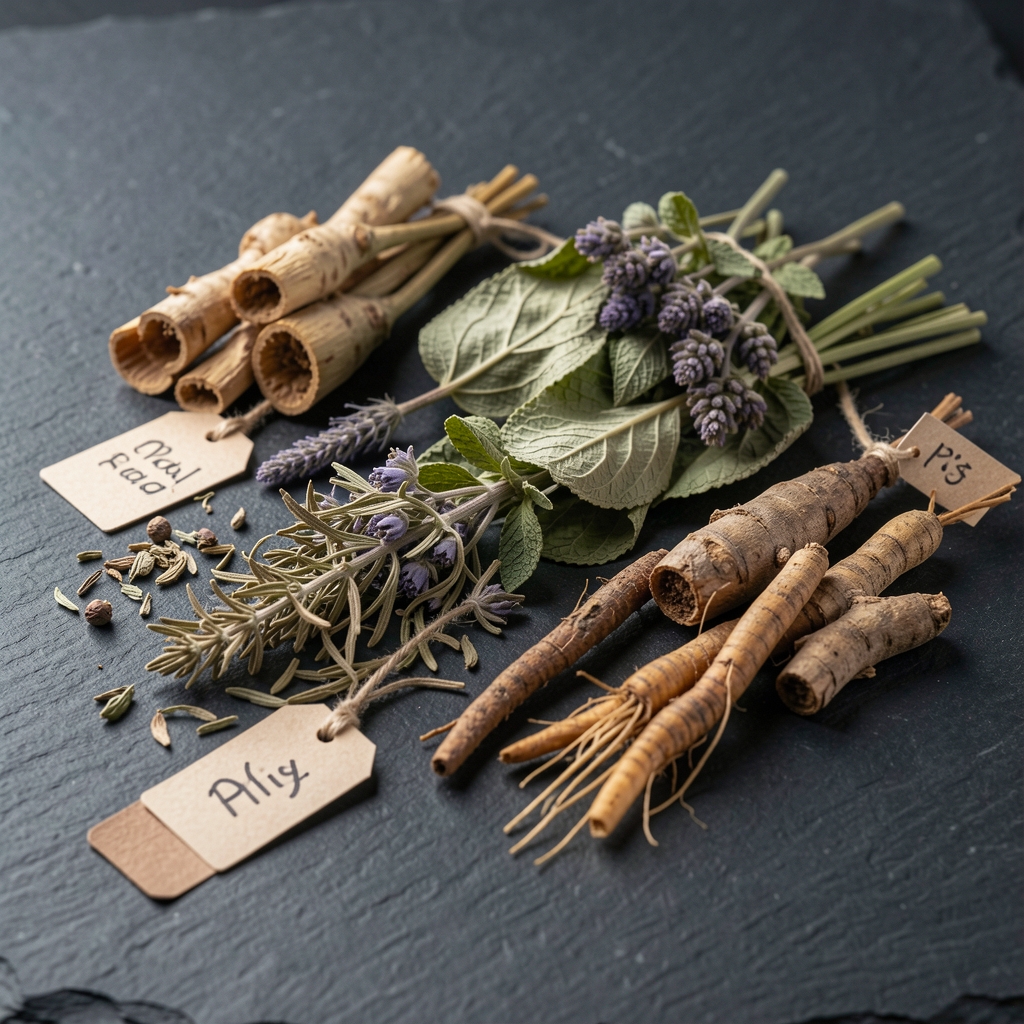
Contaminant screening covers heavy metals, pesticide residues, and microbial load. This is particularly relevant for plant-based ingredients sourced from regions with variable agricultural standards. Botanical roots in particular — ashwagandha, ginseng, rhodiola — can accumulate heavy metals from soil, making independent screening a meaningful quality indicator rather than a precautionary formality.
"Batch-specific documentation is what separates a verified formulation from one that simply carries a verified specification on paper."
The distinction between whole-food sourced ingredients and isolated extracts is relevant at the sourcing stage as well as the formulation stage. Isolated extracts are typically produced through solvent or water extraction processes that concentrate specific active compounds from the raw botanical material. Whole-food sourced inputs, by contrast, involve minimal processing — drying, grinding, or gentle concentration — with the aim of preserving the full co-factor profile of the original plant.
From a sourcing documentation perspective, whole-food sourced ingredients present a different challenge from isolated extracts. Because the active compound concentration is lower and more variable, standardisation certificates are less commonly provided. Instead, documentation tends to focus on botanical identity, country of origin, and processing method. This means the quality assurance framework differs rather than being simply weaker — the relevant question is not "what is the standardised active compound percentage" but "is the botanical material authentic, uncontaminated, and minimally processed."
In our supplier review, whole-food sourced ingredients consistently showed stronger botanical identity documentation than isolated extracts from the same suppliers. This may reflect the different regulatory and commercial norms in the ingredient categories — the whole-food segment has historically been more closely associated with agricultural traceability frameworks, while the extract segment has been more associated with composition specifications.
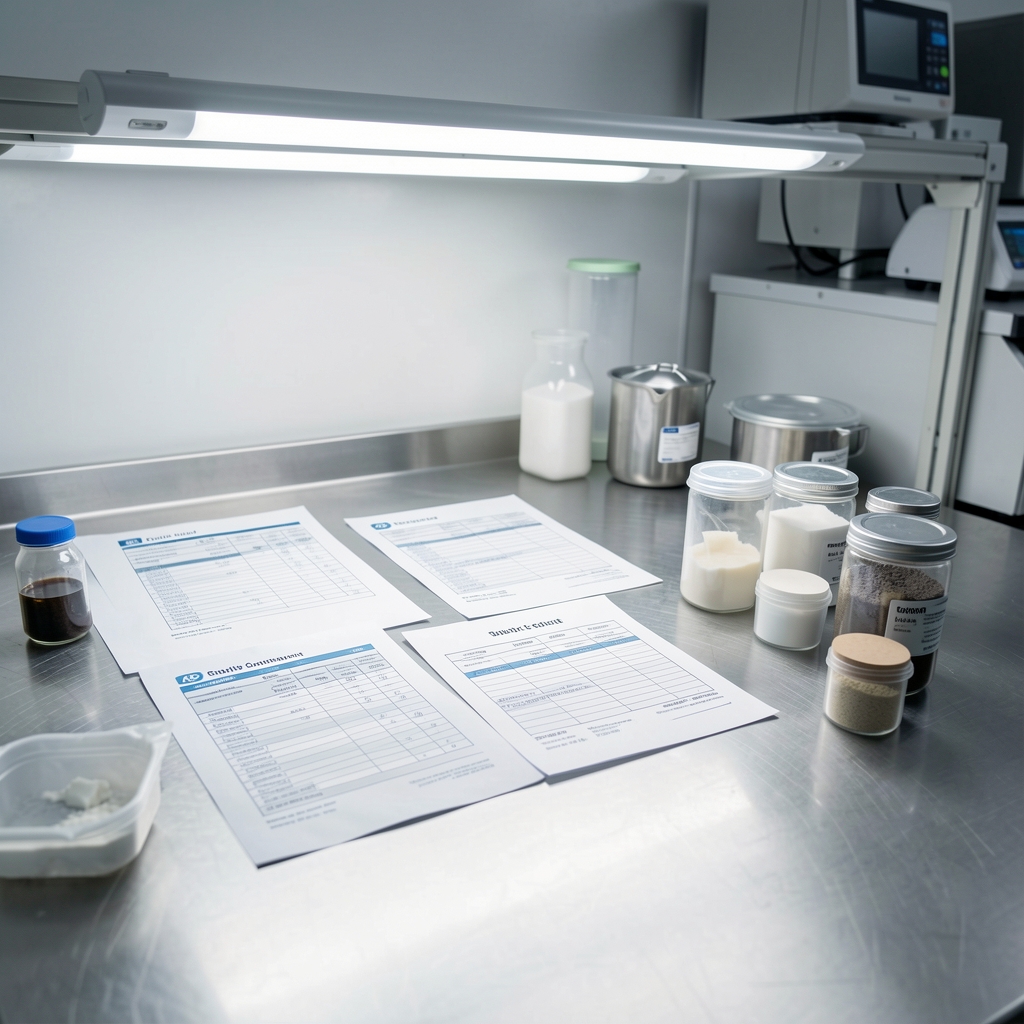
Fig. 02 — Batch documentation review process. Rolan Review sourcing audit, Q1 2026.
Indonesia occupies an interesting position in the regional supplement supply chain. As one of the world's largest producers of tropical botanicals — including several species relevant to men's wellness formulations — the country is simultaneously a significant source of raw materials and a growing consumer market for finished products. This dual role creates some structural peculiarities in the documentation landscape.
Locally sourced botanicals — including various traditional Indonesian roots and plant materials used in jamu practice — are increasingly appearing in contemporary supplement formulations alongside internationally standardised compounds. The documentation standards for these materials vary. Some producers have adopted international verification frameworks; others operate within traditional sourcing networks where formal batch documentation is not standard practice.
From an editorial perspective, this creates both an opportunity and a challenge. The opportunity is that Indonesian botanical ingredients with genuine nutritional research support represent an underexplored area for formulation innovation. The challenge is that the documentation infrastructure to support verifiable claims is still developing for many of these materials. Rolan Review will continue to monitor this space, with dedicated reviews of specific regional botanicals planned for later issues.
For the reader constructing a daily wellness routine, the practical implication of this review is that documentation should be regarded as a prerequisite rather than a secondary consideration. Before assessing a formulation on the basis of its ingredient list or marketing positioning, it is worth establishing whether the basic documentation chain exists: can the manufacturer provide a batch-specific certificate of composition, and is it issued by an independent analytical laboratory?
If the answer is yes, the formulation has cleared the minimum verification threshold. If the answer is that the documentation is available on request but requires several weeks, or that only a generic specification document (not batch-specific) is available, that is worth noting. It does not disqualify the product, but it limits the specificity of claims that can be made about it.
If no documentation is available at all — if the response to a documentation request is simply a reference to the ingredient list or a marketing claim — that formulation cannot be independently assessed. This is not an unusual situation in the regional market, but it is a meaningful data point for anyone who values evidence-informed decision making in their daily practice.
Active ingredients are sourced from documented suppliers, with each batch accompanied by a certificate of composition. Sourcing prioritises suppliers whose facilities maintain food-grade processing standards. This is the minimum documentation standard that Rolan Review applies in its own editorial assessments, and it is the standard we recommend as a baseline for independent evaluation.
Rolan Review is an independent editorial publication focused on everyday wellness practices. Articles published on Rolan Review are editorial in nature and reflect the writers' observations on everyday wellness practices. The content is not intended as professional advice, nor as guidance for the management of any specific condition. Readers with specific concerns about their daily routines are encouraged to speak with a qualified wellness professional.

Tobias Whitfield is the senior editor at Rolan Review, with a background in nutritional documentation and applied wellness research. His editorial focus covers sourcing standards, ingredient transparency, and the evidence landscape surrounding plant-based formulations. He has been based in Jakarta since 2022.
More from this author: Adaptogens in the Active Man's Morning Regimen →