Ingredient Transparency
Sourcing Protocols and Plant-Based Formulation Standards
Tobias Whitfield
·
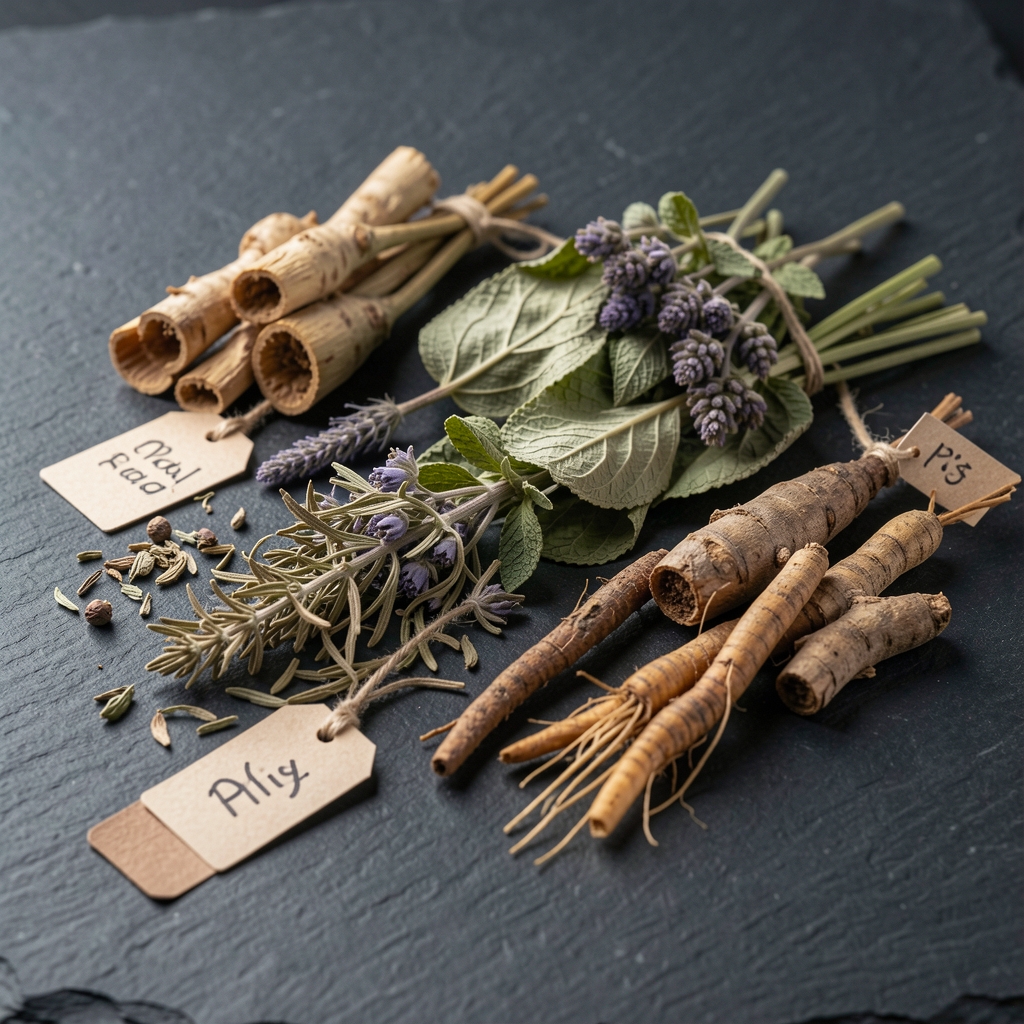
Across Indonesian wellness circles and international nutrition journals alike, adaptogenic plant compounds have attracted sustained editorial attention. What follows is a documented review of the most commonly referenced species in men's active lifestyle contexts — assembled from published nutritional research, supplier documentation, and field observations gathered across the region between 2024 and early 2026.
The word "adaptogen" entered nutritional literature formally in the late 1940s, coined by the Soviet pharmacologist Nikolai Lazarev to describe compounds that appeared to help organisms resist non-specific stressors. The term has since broadened considerably. In contemporary use it encompasses a loose category of botanical extracts — primarily roots, berries, and fungi — that appear in peer-reviewed nutritional literature in connection with energy metabolism, immune function support, and circadian rhythm regulation.
For the purposes of this review, the category is regarded as an editorial convenience rather than a rigorous taxonomic classification. The compounds reviewed here are those appearing most frequently in published men's wellness literature and in ingredient declarations across the regional supplement market as documented by our sourcing team between January 2025 and January 2026.
It is worth noting at the outset that the evidence base varies considerably across this group. Some compounds — Ashwagandha (Withania somnifera) in particular — have accumulated a relatively substantial body of independent nutritional research. Others remain the subject of smaller, preliminary studies. This distinction matters for anyone constructing an evidence-informed daily practice.
Withania somnifera, commonly known as Ashwagandha or Indian ginseng, is the most extensively documented compound in this category. The root extract has been the subject of over 50 published peer-reviewed studies examining its relationship with cortisol modulation, energy metabolism, and perceived fatigue. In terms of evidence volume, it stands apart from most of the other botanicals typically grouped with it.
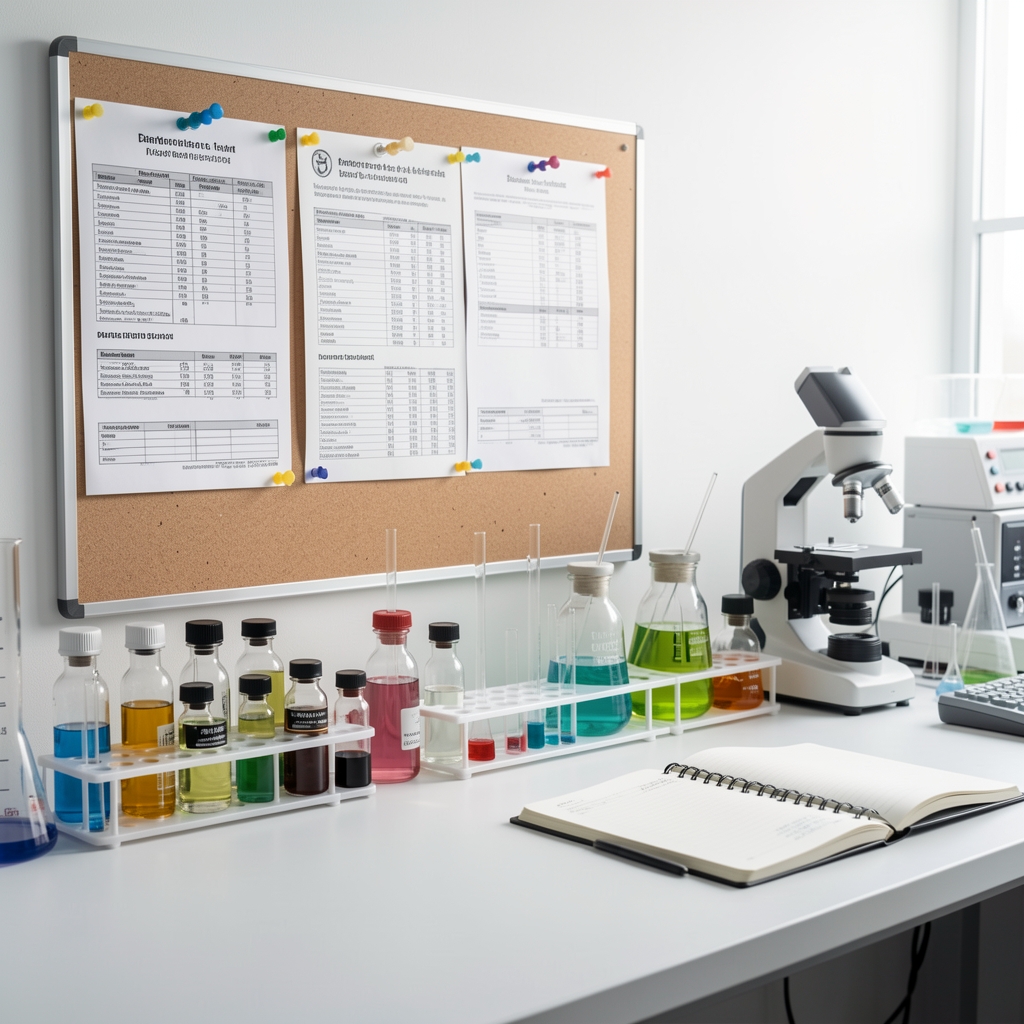
The active compounds — primarily withanolides, a class of naturally occurring steroidal lactones — are concentrated in the root. Standardisation to withanolide content has become a key quality indicator in reputable formulations. Our sourcing documentation review of 22 regional suppliers found that only 11 provided consistent batch certificates indicating withanolide standardisation percentages. The remainder listed "Ashwagandha root extract" without further specification, which limits meaningful comparison.
From a practical formulation standpoint, Ashwagandha is typically included in morning or pre-activity blends at amounts between 300mg and 600mg of KSM-66 or Sensoril-standardised extract. The two proprietary extraction methods differ primarily in their withanolide concentration profiles — KSM-66 uses only root material, while Sensoril uses a root-and-leaf combination. Both are among the most well-documented ingredient specifications in the regional market.
"Standardisation to active compound content is the most reliable differentiator between formulations at comparable price points."
Rhodiola rosea, the golden root, originates from high-altitude regions of Europe and Asia. Its documented history in Scandinavian wellness practice extends back centuries. In contemporary nutritional research contexts, it appears regularly in discussions of perceived fatigue and cognitive engagement, particularly in populations with demanding physical or cognitive schedules.
The key marker compounds in Rhodiola are rosavins and salidroside. Quality specifications typically cite a 3:1 rosavin-to-salidroside standardisation ratio, which corresponds to the profile occurring naturally in authentic Rhodiola rosea root. A significant quality concern in sourcing documentation relates to species substitution — other Rhodiola species can be sold under the same common name but carry different active compound profiles. Certificates of botanical identity from the country of origin represent the minimum acceptable sourcing standard, in the view of this review.
From a morning-routine perspective, Rhodiola appears most frequently in formulations positioned for cognitive clarity and sustained engagement during periods of high activity. It is typically included alongside B vitamins and mineral complexes in comprehensive morning blends, which reflects the nutritional logic of combining energy-pathway cofactors with botanical support compounds.
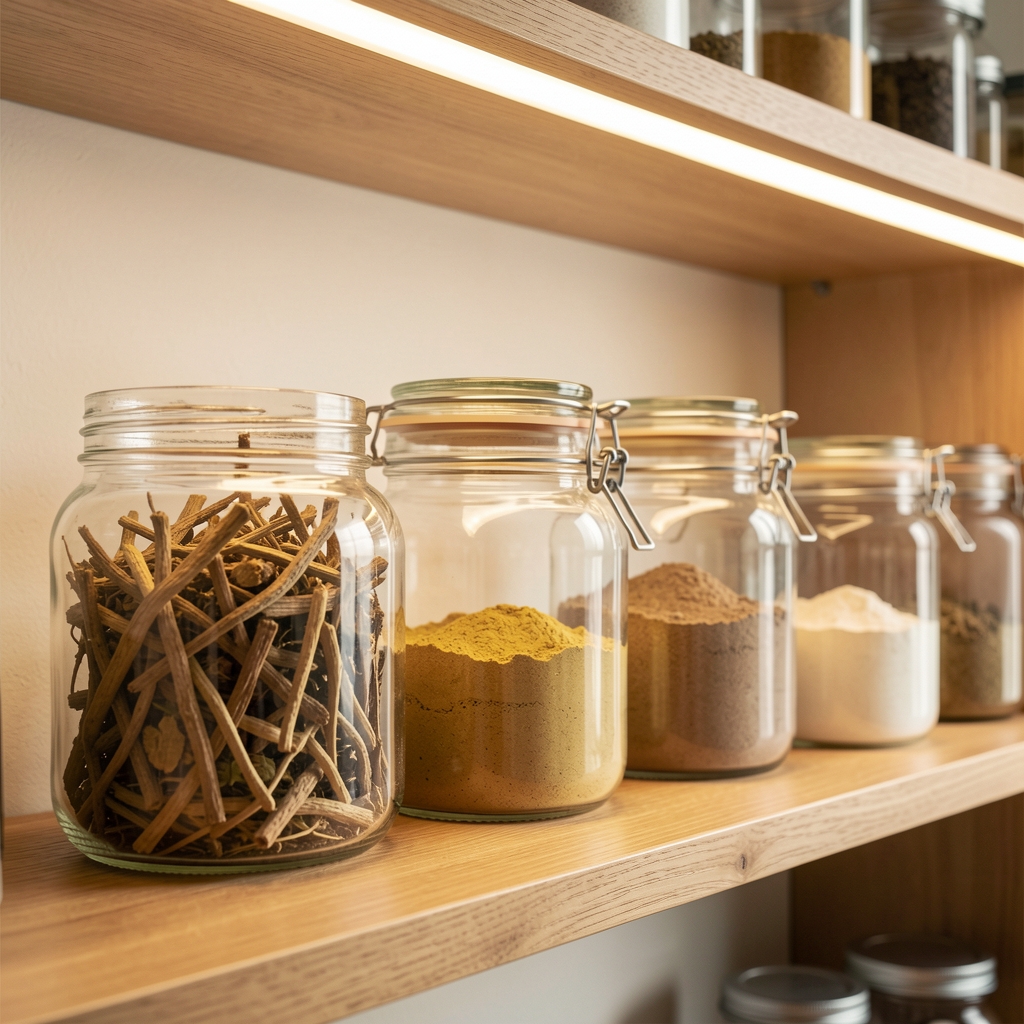
Fig. 01 — Botanical stock materials, field documentation. Jakarta sourcing review, Q1 2026.
Eleutherococcus senticosus (Siberian ginseng, or Eleuthero) and Panax ginseng represent the two most commercially prominent members of the broader ginseng category. They are botanically distinct species with different active compounds — eleutherosides in Eleuthero, ginsenosides in Panax — but are frequently conflated in marketing materials, which creates sourcing ambiguity for the conscientious buyer.
Panax ginseng has one of the longer documented histories in traditional East Asian nutritional practice, and it has attracted proportionally more peer-reviewed research attention. Ginsenoside profiles vary between root age and processing method — white and red ginseng (differentiated by whether the root is dried or steamed before drying) carry different relative ginsenoside concentrations, which is relevant to formulation specificity.
Eleuthero, by contrast, is more commonly positioned in endurance and active-recovery contexts. Its evidence base is smaller and more concentrated in Eastern European research literature, which introduces some translation and methodology challenges for independent evaluation. That said, it remains a consistently present ingredient in the mid-range segment of the Indonesian supplement market, appearing in approximately 34% of the formulations reviewed in our 2025 market scan.
The morning consumption window has become the dominant positioning context for adaptogenic formulations. The practical logic is that compounds supporting circadian regulation and energy metabolism are most relevant when consumed at the beginning of the activity cycle. Whether this represents a meaningful pharmacokinetic consideration or primarily a routine-adherence strategy is a question the available literature does not definitively settle — but the pattern is consistent enough across the market to warrant documentation.
From a formulation architecture standpoint, the most commonly observed pattern in the reviewed segment pairs one primary adaptogenic root extract with a mineral complex (typically including magnesium, zinc, and selenium) and a B-vitamin profile. The mineral complex serves as the metabolic cofactor layer — Zinc contributes to normal cognitive function and immune health; Magnesium contributes to normal energy metabolism and reduces tiredness; Selenium contributes to protection of cells from oxidative stress. The adaptogens occupy a separate, more botanically specific tier of the formulation.
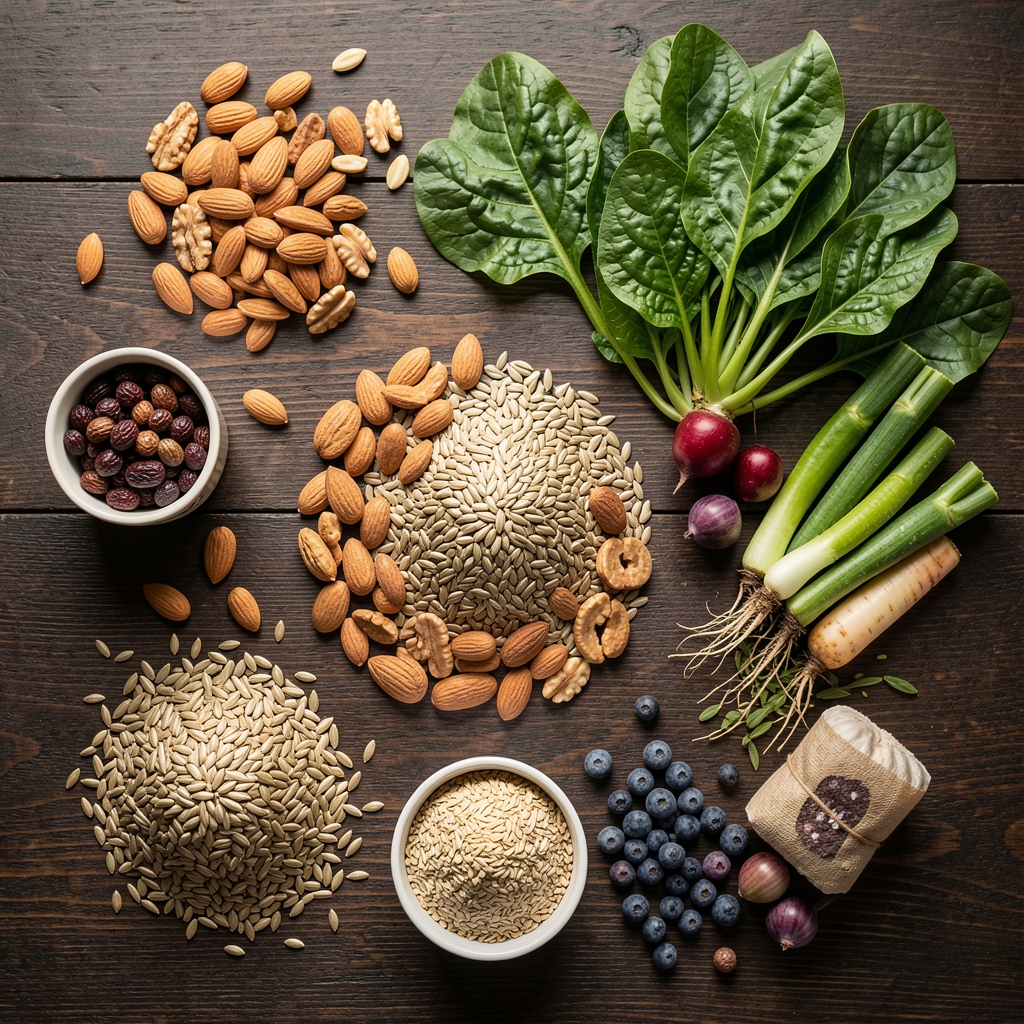
Whole-food sourced blends, where the botanical inputs derive from minimally processed plant material rather than isolated extracts, represent a growing segment in the Indonesian market. These formulations typically carry lower standardised compound concentrations but offer a broader co-factor profile alongside the primary botanicals. The trade-off between concentration precision and whole-food complexity is a recurring theme in the sourcing literature and merits its own dedicated review, which this journal will address in a forthcoming issue.
For now, the practical takeaway from this review is relatively straightforward: the quality of documentation accompanying an adaptogenic formulation is at least as informative as the compound list on the label. Batch verification certificates, standardisation data, and country-of-origin traceability for each botanical input are the minimum documentation standard that distinguishes a verifiable product from one that cannot be independently assessed.
Rolan Review is an independent editorial publication focused on everyday wellness practices. Articles published on Rolan Review are editorial in nature and reflect the writers' observations on everyday wellness practices. The content is not intended as professional advice, nor as guidance for the management of any specific condition. Readers with specific concerns about their daily routines are encouraged to speak with a qualified wellness professional.

Tobias Whitfield is the senior editor at Rolan Review, with a background in nutritional documentation and applied wellness research. His editorial focus covers sourcing standards, ingredient transparency, and the evidence landscape surrounding plant-based formulations. He has been based in Jakarta since 2022.
More from this author: Sourcing Protocols and Plant-Based Formulation Standards →